Why is the past being romanticized in a collapsing future?
cultural repetition, emotional comfort and the collapsing of future imagination
In a moment where the future feels unstable, inaccessible, or even uninhabitable, culture begins to fold into itself. It repeats, recycles, reimagines what has already existed, not because it lacks creativity, but because imagination itself has become risky. This piece does not simply question nostalgia it dissects it.
What does it mean when an entire generation turns toward the past not as history, but as refuge? When memory is softened, curated, aestheticized into something safe enough to live in?
Because romanticizing the past is never neutral. It edits. It erases. It protects comfort over truth.
And in doing so, it risks trapping us in a loop where repetition replaces vision, and familiarity disguises itself as progress.
So the question is no longer *why we look back* but what it costs us to stop looking forward.
-**Mo Sabra** Editor-in-Chief, Spiral Corner
Society has a long past in its future.
Try to remember how many times you’ve caught yourself watching a remake, reading a retelling of a story, or listening to that same sampled song over and over again - this is not a coincidence. We’ve been reliving our past for as long as humanity has existed - the problem now is: how can we relive the past in a non-existing future?
Gen Z has often been categorized as pragmatic, digitally native, diverse-minded, socially conscious individuals who value authenticity, inclusivity, and flexibility, often driven by financial security and well-being concerns, using technology for communication, learning, and activism while seeking immediate impact and personal fulfillment. They are also known for anxiety about future well-being due to economic pressures and world events..
So, it’s not surprising to see a rebranded version of the past emerge as new trends on social media, such as Y2K, 90s minimalism, vintage silhouettes, vintage luxury, analogs, vinyl, cottagecore, tradwives, Tumblr, a celebration of 2016, and so on. I am sure you can name more examples that you’ve come across while scrolling.

Reliving the past is not only about aesthetics; it is also about the feeling of being safe in something that has already proven to work. Living in a society that fails to hide its inevitable future, full of collective anxiety, climate crises, economic precarity, political instability, and a never-before-seen technological acceleration, can also create the erosion of long-term thinking, imagination, and trust in progress.
In moments of uncertainty, romanticising the past becomes a cultural response and a coping mechanism. The past is seen as stable, slower, and functional. Hiding in nostalgia can feel like a safe space, surrounding yourself with this past-present-future that seems to last forever.
This behavior is not exclusive to aesthetics or cultural consumption. In economics, the “lipstick index”, a term coined by Leonard Lauder, suggests that during periods of economic instability, customers tend to invest in small, affordable luxuries that provide a sense of normality. When large ambition becomes inaccessible, pleasure is downsized, but never abandoned.
Romanticising the past could be seen as a lipstick index: a low-risk, guaranteed-reward, emotionally charged investment, offering certainty in the face of an uncertain future.
Art, pop and culture looking at its narcissistic reflexion
After being cursed by the goddess Nemesis, the hunter Narcissus saw his reflection on a still pool of water, as he gazed in, he fell deeply in love with his own reflection without realizing it was just an image. Obsession struck and he couldn’t leave the water’s edge. In the end he died, and a flower bloom - the narcissus flower - forever tied to the tale of self obsession.
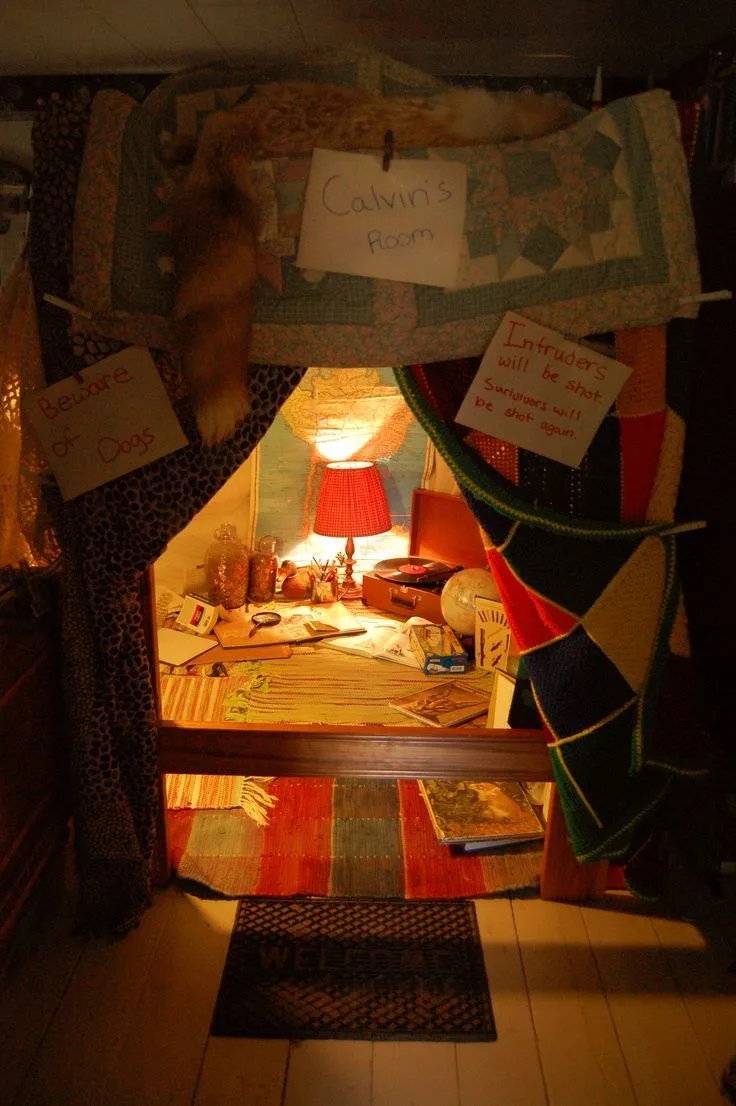
The tale of narcissus can be used as an analogy for contemporary pop culture. Remakes, reboots, sequels and revivals are always in production. incorporating elements such as vinyls, film grain, retro interfaces are seen as markers of authenticity. Instead of imagining a new future, culture reshapes what already exists, repolishing memory until it feels safer and more comfortable for the beholder.
It seems controversial to suggest there is a lack of creativity in an everproducing society (which is not the case). To imagine the future in a time like ours might feel risky, or even naive. If the future seems unstable or uninhabitable, memory becomes a reliable source of ease.
As a collective, we might remember what the future seemed like in the early 2000’s: new technology everywhere, a futuristic aesthetic - cybercore, the promise of a new dawn in society and an easier lifestyle.
To look back in our past is not a tragedy, but it is a shame not being able to look forward without irony and fear. Like narcissus, art and pop culture stand at the edge of their own reflection, mistaking familiarity for fulfillment and repetition for innovation.
No good deed goes unpunished
Romanticising the past and projecting it in our future is far from an innocent act, when memory is softened and curated what remains is comfort. Erasing conflict, exclusion, inaccessibility, structural inequalities are part of the reprojecting processes. In transforming the past into a safe space, we might fall into the trap of repeating these hideous acts. If history repeats itself, first as tragedy, second as farce, it becomes crucial to bear a critical eye in what is shaped and sold as a rebrand of any kind.
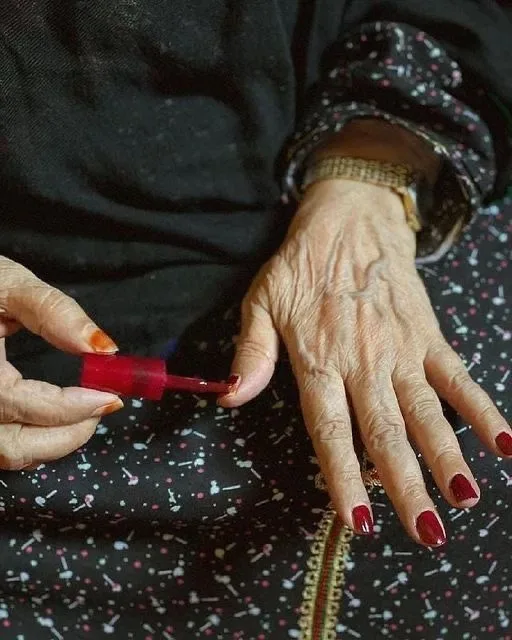
When the future collapses these things will offer an emotional anesthesia. It will offer relief, familiarity and a sense of belonging. Being able to return to our past instead of interrogating it as history creates a static place for the present; a place where endurance seems the only option and change is put to the background.
Political and social change require imagination, risk, and hope. Feelings that might be left out in an ever-repeating history. By using our past to measure our future we trade engagement for comfort, critique for repetition, mistaking our emotional safety for wellbeing.
Perhaps there are no great differences from genZ and the previous (and next) generations, maybe there will always be a sense of misplacing which brings the exaltation of the past and “good times” - in trying to avoid our collapsing future we wrap ourselves in the warm blanket of the past.
*“The future does not exist, but it does exist. More than the present, it is occupied with what, where, how, and when the future will be. Even the past exists in the name of the future. and when it finally arrives, disappointment is inevitable. The future is waking up on a Monday morning, it’s failing at the crucial moment. It’s bad. The future is only really good when imagined.” (Jaffe, 2025, author’s translation)*
As long as we accept the mirror in front of us, we risk oblivion through our own desire and vanity - only one body of water away from Narcissus.
**Written by:** Vitor Roque **Editor’s Note:** Mo Sabra ***Spiral Journal*** **by Spiral Corner**