The Work Behind Art: Middle Eastern Creativity in a Landscape of Constraint
Why brilliance in the region is engineered, not accidental.
The West loves the idea of Middle Eastern brilliance born from chaos. It packages instability as inspiration and survival as aesthetic. It turns collapse into a flattering narrative one that looks good from a distance and costs nothing to believe.
This piece refuses that comfort.
What Tayma Saliba writes here is not about resilience as spectacle, nor creativity as miracle. It is about structure, discipline, and intelligence forged in conditions that never promise safety, continuity, or protection. It dismantles the myth that suffering is a muse and replaces it with a more uncomfortable truth: brilliance in the Middle East is engineered because it has to be.
This article exists to correct the record. To shift the gaze. To stop romanticizing precarity and start acknowledging the systems informal, fragile, precise that artists in the region build in order to survive, not to inspire.
Read it slowly. Nothing here is accidental.
-*Mo Sabra* Editor-in-Chief, Spiral Corner
The idea that Middle Eastern creativity flourishes despite chaos is a comforting one. It suggests a neat moral arc: disorder becomes adversity, adversity becomes inspiration, and brilliance emerges as proof of resilience. It travels well, especially in cultural spaces that look for clean stories with redemptive endings. However, it is also misleading.
Chaos is not a catalyst. It is a condition, and often a limiting one. When we frame instability as the engine of creativity, we romanticize precarity while ignoring the labor required to work within it. We turn sustained negotiation into spectacle, and survival into “aesthetic.” Therefore, chaos might make for a compelling story, but it remains a weak and insufficient explanation for how creative work actually gets made.
Chaos Is Not the Engine
Instability, taken on its own, narrows creativity. It shortens timelines, restricts access to resources, and forces decisions to be made faster and with fewer safety nets. Creative work becomes harder when survival is uncertain, and experimentation in this case, carries a real risk. The idea that collapse and uncertainty somehow liberates artistic expression needs to come from understanding how creativity functions in practice.
Chaos is not the muse. The brilliance we see emerge does not do so from disorder itself, but from the ability to operate within that disorder without being consumed by it. What often goes unseen is the discipline required and implemented to keep making work under such circumstances: all the calculations, the compromises, the constant recalibration. Creativity is a strategy, THE strategy, that – as opposed to chaos – begins to explain the consistency and sharpness of artistic output in the Middle East.
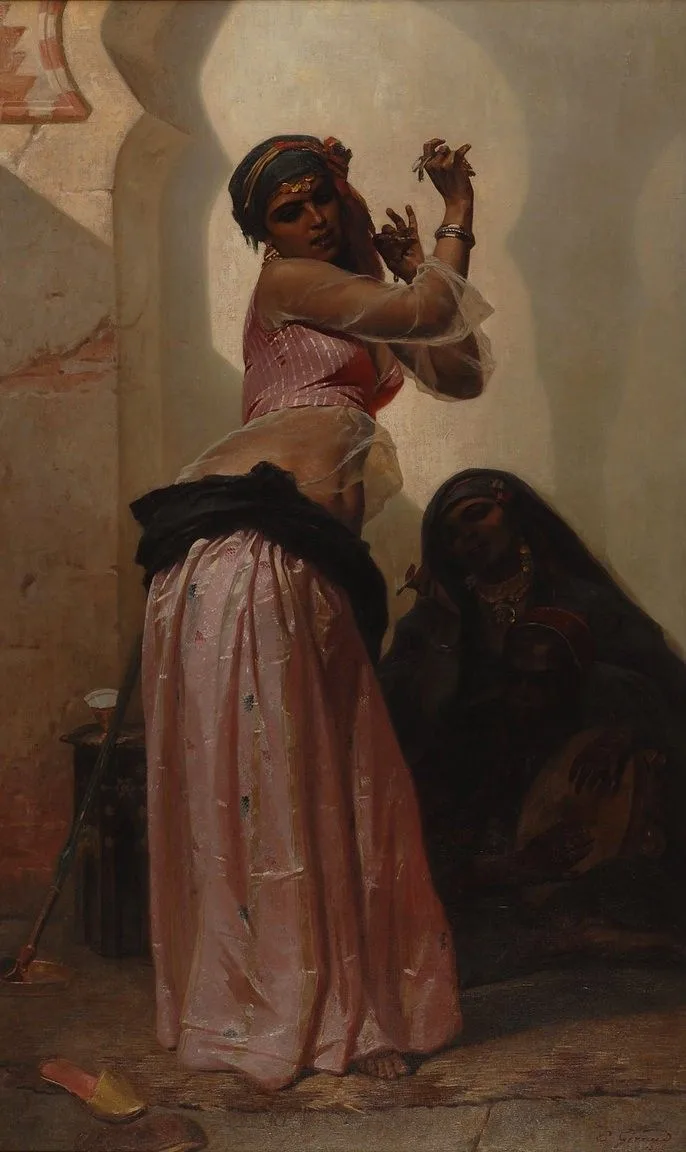
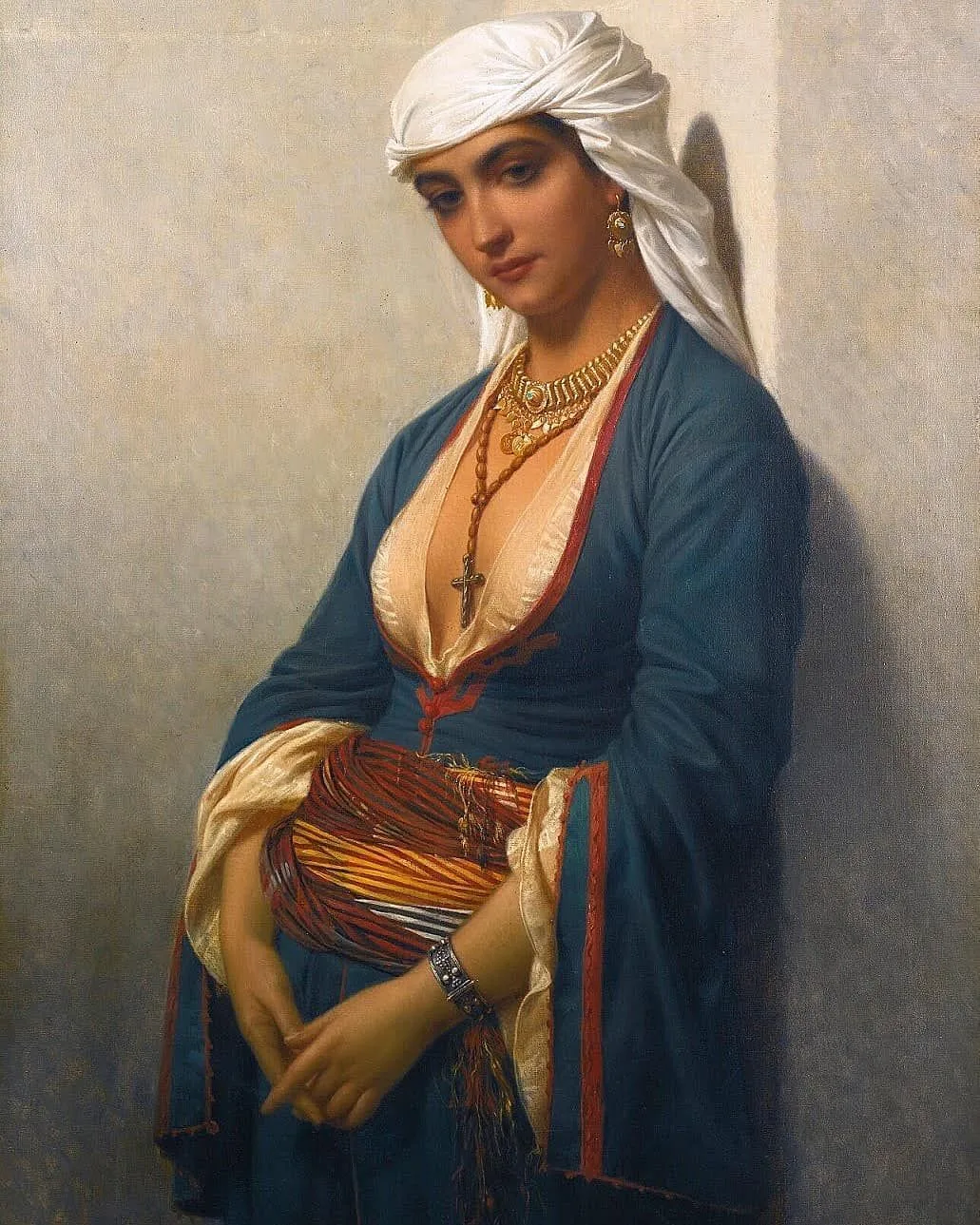
Building Without Stability
What replaces stability in much of the Middle East is the alternative set of creative systems. In the absence of reliable institutions, formal funding, or long-term infrastructure, creatives learn to build their own frameworks for production and circulation – which are often informal, self-organized, and deliberately flexible. Because specialization assumes support structures that barely exist, artists become entirely self-taught out of necessity – a skill that is the foundation of how they eventually produce brilliance – moving fluidly across disciplines, from music into film, design into publishing, writing into visual art, etc.
Collaboration becomes temporary and transactional rather than purely hierarchical. Projects are designed to be light, mobile, and interruptible. Speed and improvisation are no longer stylistic preferences, but practical responses to uncertainty. The key is that projects must be able to survive sudden loss of space, funding, or access. In terms of language, irony, ambiguity, and coded expression become the main tools for navigating censorship, social fracture, or political flakiness without direct confrontation.
None of this is heroic. It is learned behavior, refined over time through repetition and constraint. What is labeled as brilliance from the outside is, more accurately, competence and intelligence shaped and sharpened under pressure like nowhere else.
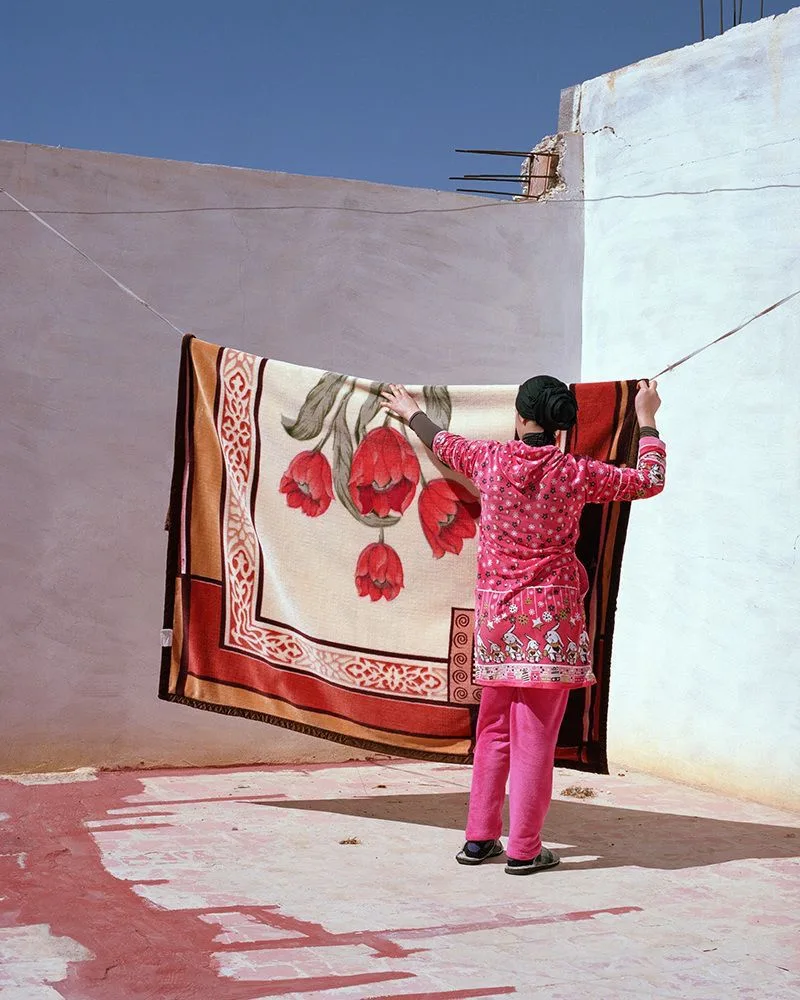
A Regional Pattern of Production
Lebanon is one of the biggest examples of what it means to build creative practice without the expectation of stability. Beirut knows it best: continuity is never assumed. Projects automatically begin with the understanding that they might be interrupted, displaced, or cut short, and this awareness shapes how work is conceived from the very start. Creative output is designed to survive fluctuation – and adaptability is the ultimate goal. Lebanese creatives do not wait for stability to begin.
Hence why we observe a cultural environment where work is often provisional, very layered, and intentionally open-ended coming from there. Artists, musicians, writers, they all develop forms that can absorb interruption rather than collapse under it. They are masters in acknowledging uncertainty without centering it. Ultimately, there is also little interest in resolution or coherence as a final result. The actual result is work that feels alert, compressed, and precise. Tension and contradiction are simply accepted as structural realities, and turning the tables in that way, is where brilliance comes from.
This extends beyond Lebanon. Beirut’s independent music scenes, small publishing or production initiatives, and self-organized exhibitions are part of a broader regional pattern:
Palestinian visual art often develops under restriction, relying on coded language, fragmentation, and repetition to navigate limited mobility and surveillance.
In Iran, filmmakers have long mastered indirect storytelling, using metaphor, omission, and everyday detail to say what cannot be stated openly.
Across the Gulf, emerging creative scenes move between state patronage and private experimentation, balancing visibility with constraint.
In Syria, diasporic literature and visual art carry the weight of displacement, producing work that resists linear narratives or singular point of views.
Egyptian indie music and renowned cinema have conquered work through informal networks, circulating work quietly while negotiating censorship and institutional constraints.
The pattern is consistent: creative systems built without the expectation of protection, permanence, or transparency. This pattern suggests that Middle Eastern brilliance is not an anomaly tied to local crises, but a regional mode of production shaped by a never-ending negotiation with uncertainty.
The Cost of Brilliance
Middle Eastern creative brilliance is truly self-explanatory when looked at from a different perspective, it does not require mythologizing. There is an intelligence behind it and a cost at which it is produced that both cannot be observed anywhere else. The conditions in which it thrives sharpen skill but extract a toll. Then, maybe, the question is not why Middle Eastern creatives produce brilliance despite chaos, but why they are so often forced to.
**Written by:** Tayma Saliba **Editor’s Note:** Mo Sabra ***Spiral Journal*** **by Spiral Corner**