The word as a living body : the blood that sustains writing
Writing as vital flow, self-listening, and a poetics of healing
Writing has always been a form of healing before it was ever a craft. Before publication, before structure, before audience there is the simple need to understand ourselves through language. To write is to sit with what we feel and give it a place to exist.
Today, in a world that moves quickly and asks us to move on even faster, writing feels like it is drifting away from our youth from that softness, that curiosity, that willingness to feel deeply. But writing is exactly what keeps us close to it. It preserves our questions, our tenderness, our contradictions. It allows us to slow down and listen inward.
We don’t write to perform. We write to return to the self, to emotion, to truth. And in that return, something begins to mend. Not perfectly, not instantly, but enough for us to keep moving, keep feeling, keep becoming.
At Spiral Corner, every piece begins from this belief: that art is not separate from life, and that words, when they come from a real place, carry the power to hold us together.
-Mo Sabra Editor-in-Chief, Spiral Corner
Defining the concept of “The Bloodstream of Writing”
To understand the expression of the *bloodstream of writing*, it is important to recognize that this is not a term commonly used in everyday language. Through recent research and close readings of texts in which writers reflect on writing within their own lives, and on how it inscribes itself in the body, experience, and existence, the concept can be understood as that which concerns essence, flow, and what pulses within: emotions, feelings, and desires moving toward the word.
In this sense, the expression may be interpreted in different ways. The “bloodstream” of writing refers to writing with passion, soul, and lived experience, rather than merely adhering to linguistic rules or pre-established ideas. It can also be understood as the flow of ideas, the “blood” of a text that grants it life, energy, and narrative meaning. There is, furthermore, writing that emerges from pain and the vulnerability of feeling; from necessity; from a visceral relationship with language as a way of becoming conscious of one’s own body.
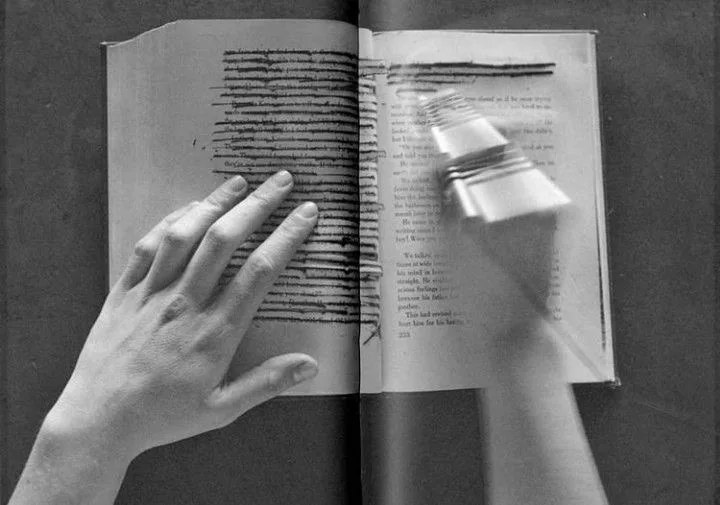
In summary, the term speaks to writing from authenticity, using one’s own life and emotions as the bloodstream that animates the text - “making writing a way of listening to oneself and hearing words echo through the body,” as stated by Brazilian journalist and Creative Writing professor Layse Barnabé in her PhD thesis, where she explores the concept of a *poetics of healing through writing* in contemporary literature by women.
The poetics of healing through writing
According to the researcher, *the poetics of healing* is a concept developed through a focus on women’s writing, with healing understood as an act of encouragement - an invitation for women to tell the stories they wish to tell, whether true or invented.
From this perspective, the concept is intricately woven into the understanding of writing as a bloodstream, since writing, regardless of genre, emerges as a vital necessity of human existence. As Gloria Anzaldúa writes in *Why I Am Led to Write*, it is through writing that we compensate for what the real world cannot give us: writing organizes chaos, creates a handle by which we can hold the world.
We write because life, on its own, does not appease us, does not sustain our appetites and our hunger. Language, like blood in our veins, pulses through every pathway, nourishing each part of who we are and composing us within the world.
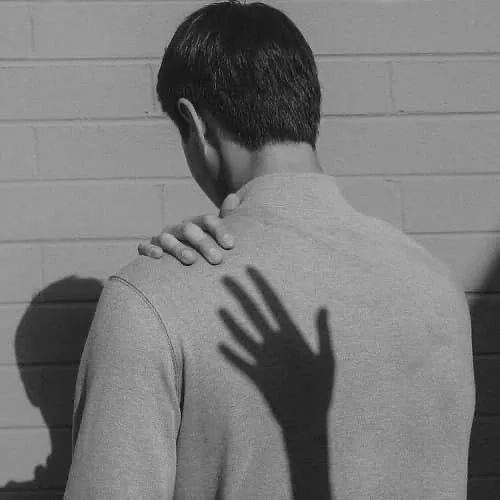
To possess writing, and to take it on as a calling and a commitment to the word, allows for the re-signification of meaning, for responding to silences and to what cannot be said aloud. On the page, lines become needles, stitching together what moves us until we are made whole between the time that slips through our fingers and the fragments of experiences, memories, wounds, and pleasures. Writing becomes, then, a mirror of the self.
As Brazilian writer Clarice Lispector declares:
“I write very simply and very nakedly. That is why it wounds […]. I write for nothing and for no one. If someone reads me, it is at their own risk. I do not make literature: I merely live as time passes. The inevitable result of my living is writing […]. My life demands that I be a writer, and so I write. It is not a choice: it is an intimate command.” (Lispector, 1999b, pp. 16–29)
The word as a crossing through a moving body
Through Clarice, the bloodstream, in a symbolic sense, becomes the oxygen necessary for existence through writing. As she herself states:
“I write as if to save someone’s life. Probably my own.” (Lispector, 1999b, p. 13)
To write is to understand that our silences do not protect us and that fear paralyzes, diverting the natural course of the flow that must continue. When words are dammed, the body feels it: blood stagnates, breath shortens, and experience ceases to circulate. Writing, therefore, takes shape as bridge and crossing, a gesture that reopens symbolic veins, allowing what was contained to pulse once more. To write is to unclog emotional arteries, to contour anguish, and to give passage to speech obstructed by an excess of the unsaid.
Words run like vital fluids, lubricating resentful passages, oxygenating hardened zones of memory, and restoring movement to what had been immobilized, as Ana Cristina Cesar suggests in her poetics, where the word is treated as living matter, constantly rubbing against the body that writes.
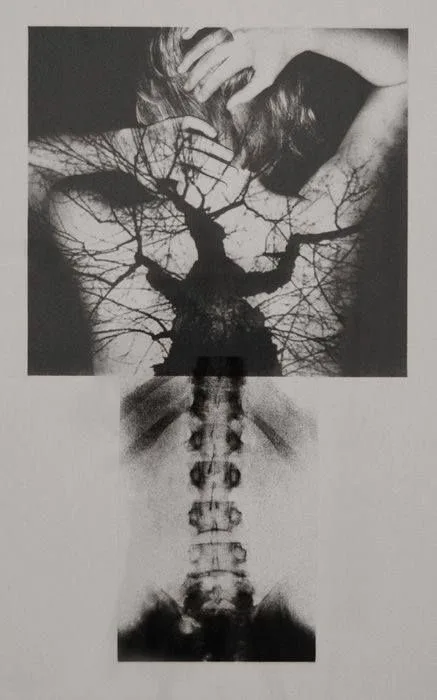
It is about understanding that, for the word to pulse within us, we do not always need to be wounded or sad. To answer the call to narrate what we feel, we need a question. We need to find ways to tell our own story. Learning how to live passes through language and through grasping it as a lantern in the darkness of the rooms we enter as we exist.
Fernando Pessoa articulates this precisely when he writes that “literature, like all art, is a confession that life is not enough.” It is not enough. That is why we write. That is why we read.
What is your question? What is your repertoire? What is your path? What are your obsessions?
The bloodstream continues its flow through the body, and poetic healing takes place when we speak our truth. So, what is the truth you need to confess to yourself?
**Written by:** Marianna Mayumi Spaciari Tasaca **Editor’s Note:** Mo Sabra ***Spiral Journal*** **by Spiral Corner**