The Illusion of “timeless”
How Minimalism Became a Western Standard Disguised as Taste
“Timeless” is one of the most dishonest words in contemporary fashion.
It is presented as neutral, elevated, and universal when in reality it is deeply selective. What we call timeless is often just Western. Beige, minimal, expensive, quiet. A look that assumes safety, stability, and cultural dominance. Everything outside of that is labeled excessive, ethnic, seasonal, or niche.
This article does not argue against minimalism. It argues against the lie that minimalism is universal.
Fashion has always been political, but today its politics hide behind refinement. Neutrality is sold as taste. Simplicity is marketed as intelligence. Meanwhile, entire cultures are pushed to the margins for being “too much,” “too loud,” or “too specific.” When a blazer is timeless but a sari is not, the problem is not fashion it is power.
At Spiral Corner, we are not interested in aesthetics that require erasure. We do not believe that culture should be muted to be taken seriously, or that identity must be softened to be considered elegant. Timelessness that excludes is not timeless at all. It is a temporary standard enforced by those who benefit from it.
This piece exists to fracture that standard.
**Mo Sabra** Editor-in-Chief, *Spiral Corner*
What is the first thing you think of when you hear timeless? Is it a Burberry trench coat? Levi jeans? Or maybe it’s Loro Piana loafers and cashmere sweaters, all in those painfully neutral tones, robbed of color and liveliness. But at least they fit your dream of a capsule wardrobe, right?
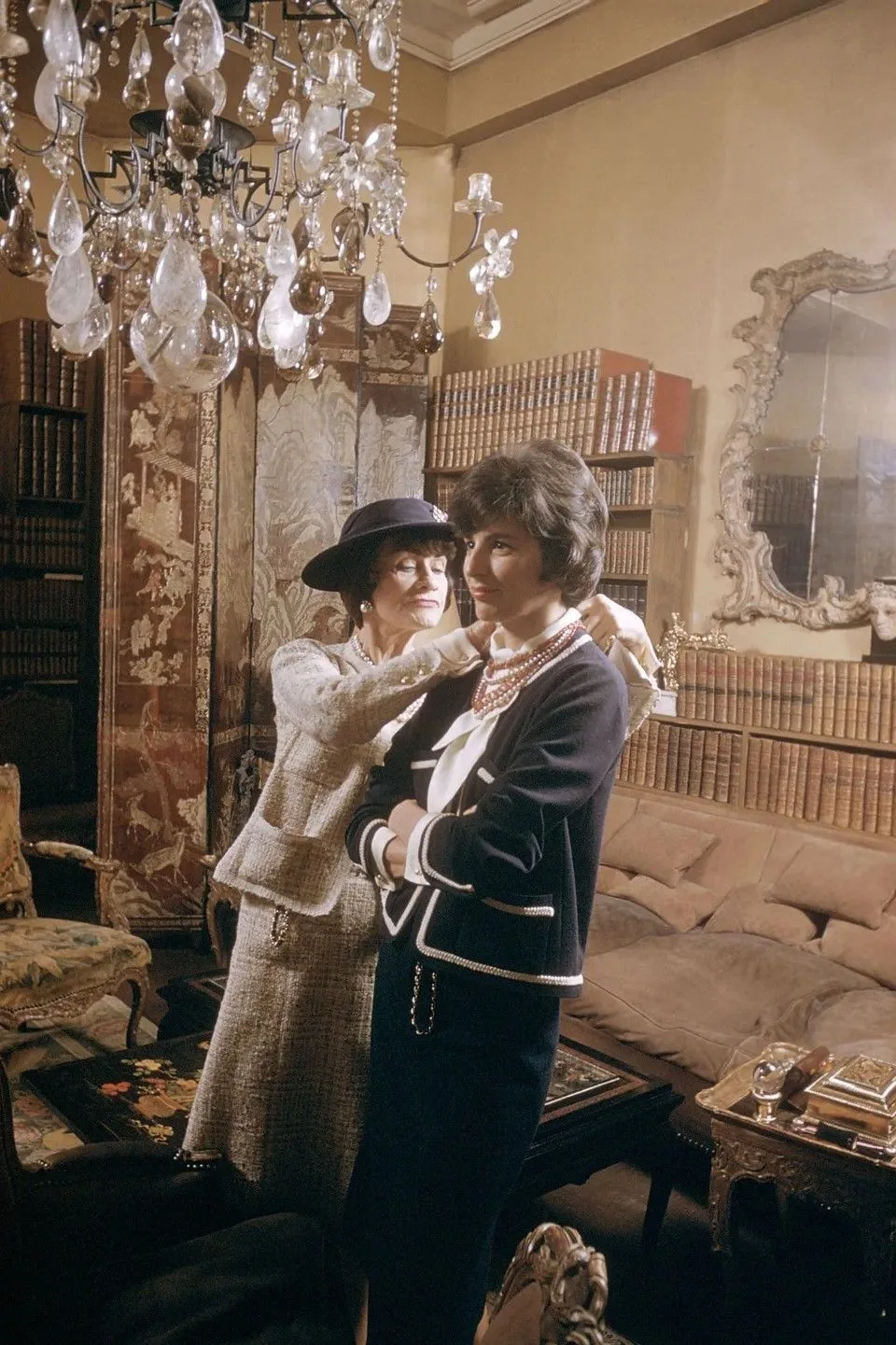
It seems as if people have forgotten what fashion stands for and how much creativity and originality it takes to become an icon. This strive toward a minimalistic and timeless style isn’t simply a rejection of color or pursuit of an all-suited wardrobe which in and of itself is an ironic oxymoron it’s an allergy to individualism and ethnic symbolism. Your closet is built for life’s plurality: for events, phases, careless decisions and precise curation, not a homogenized, generic selection of outfits, yet it’s exactly that, which everyone seems to strive towards nowadays. But who decides what becomes “timeless”? And more importantly, who gets excluded when neutrality and selective inclusion is aestheticized?
Though a more concrete date for the earliest usage of the term “timeless” is of no knowledge to us, it mainly gained prominence in the 20th century. Think Coco Chanel's designs, Audrey Hepburn's distinguished looks and Grace Kelly’s slow fashion approach all these icons paved the way for timelessness to take on a minimalistic and comfortable yet elegant definition. Back in the day, it meant pieces that exist outside our notions of what is fashion or that break through the years passing or even centuries, as brilliantly stated by designers Richard Sorger and Filep Motwary. Now it’s anything beige and expensive your favorite celebrity posts on Instagram.
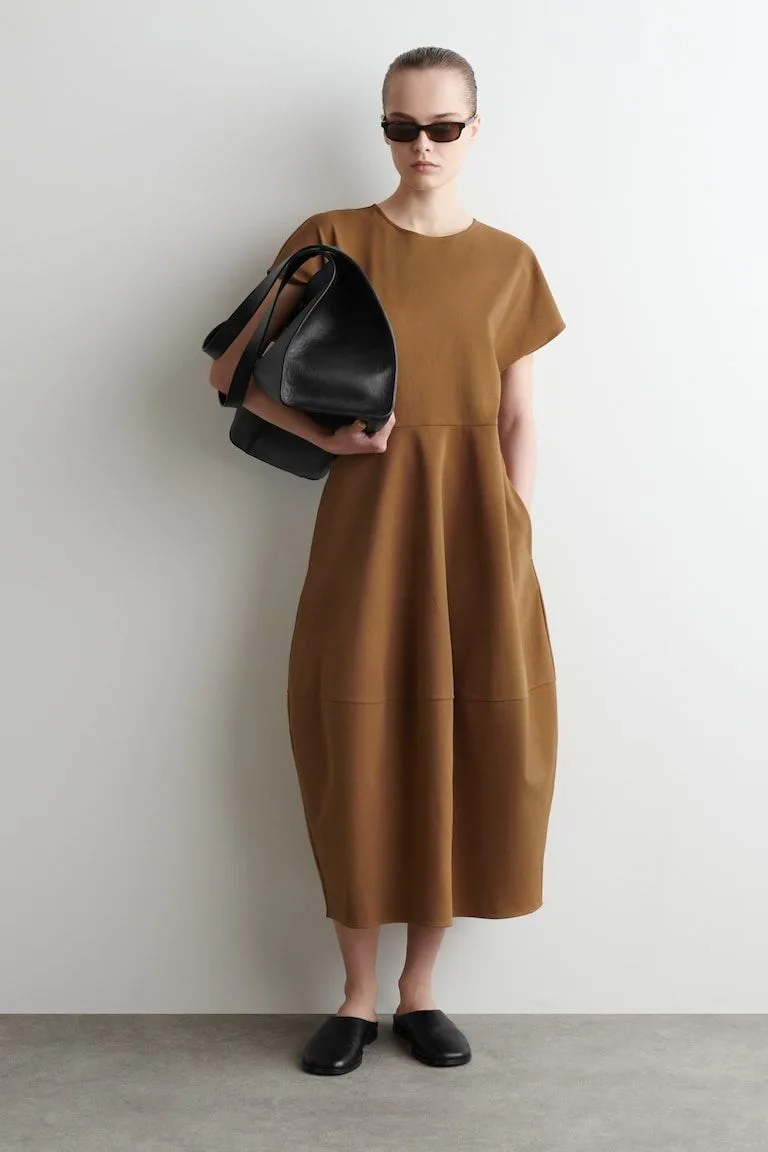
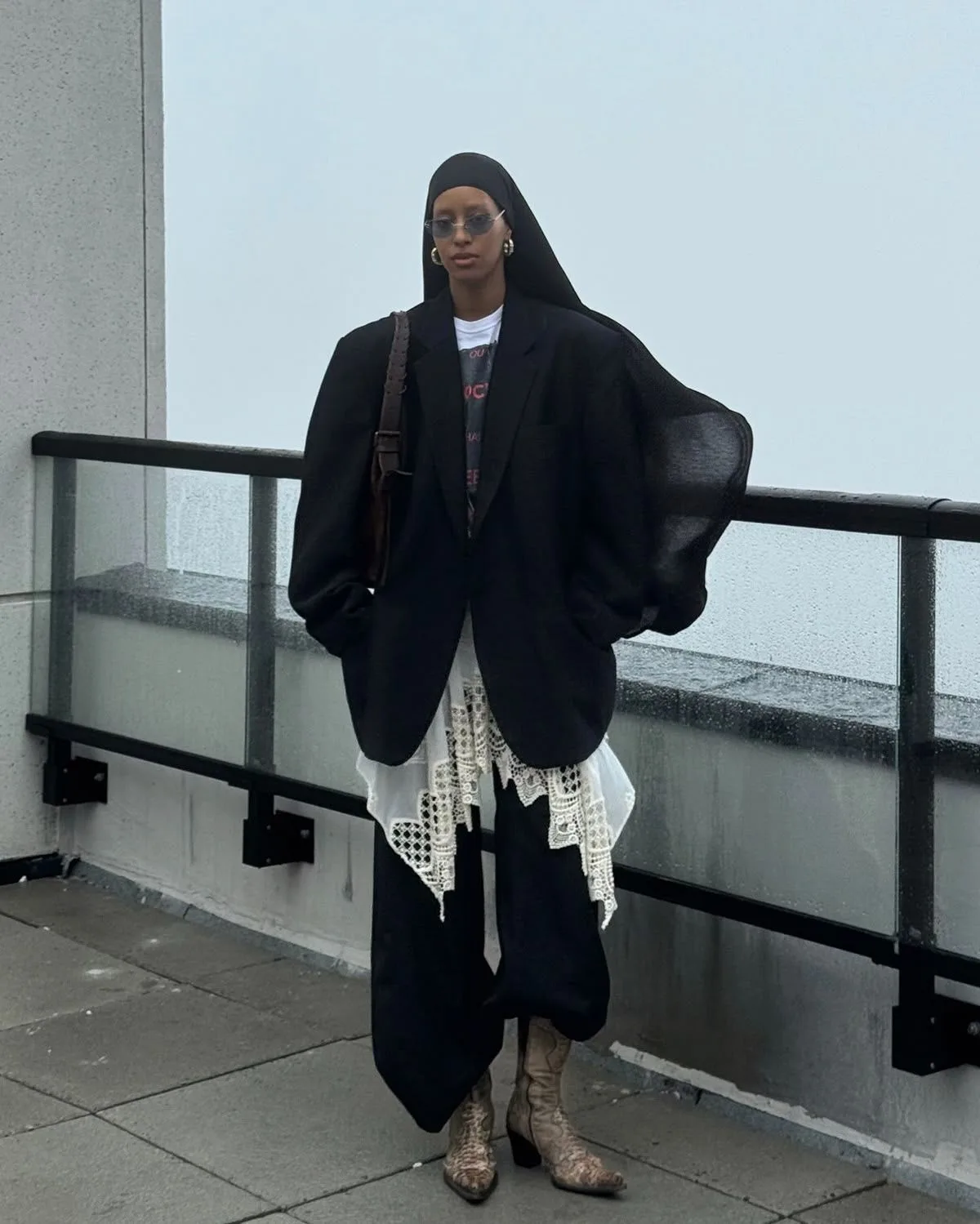
One can argue if its inherent meaning overshadows what timeless is perceived as in today’s world, but frankly it doesn’t matter, as the limited and oppressing worldview of high-end and elite fashion stays patrician and exclusionary by design. You only ever hear the term being used to describe pieces that are approved by westernized standards, pieces that tailor to European traditions. The public gets pushed to buy clothes with capitalism scalability and those that funnily enough evade ethnic characteristics. Neutrality privileges those whose culture already aligns with the standard. Have you ever questioned why a blazer is viewed as endlessly adaptable and chic whilst a sari gets categorized as context-bound? Hiding behind the excuse of cultural appropriation, the West never fails to favor and skew towards their conventional and normalized clichés, attained simply by market domination and a colonially rooted retail dictatorship. The inaccessibility of cultural clothing, more specifically anything that is excluded from the western canon of fashion, is forced marginalization by ethnic oppression in plain sight.
Are the clothes you see admired online truly versatile, neutral, universal or are they, better put, prejudiced and eurocentric?
**Written by:** Sofiya Tussupkhanova **Editor’s Note:** Mo Sabra ***Spiral Journal*** **by Spiral Corner**