AI & Creativity: Thanatos & Eros, respectively
The Crisis of Authorship
There is this staple text I assign to my Writing & Composition class; it has persisted in my syllabus since my very first semester of teaching. The text is called *Sidekick* by Elizabeth Price. Submitted as part of Price’s PhD thesis, it is a diary-like walkthrough of her process in creating an art piece she dubbed *Boulder*. Beginning with a strip of tape she crumbles into a ball, Price repeats this action over and over, winding tape around itself for many years until the crumbled strip becomes a large, boulder-like structure. Today, *Boulder* (ongoing since 1996) is an art installation exhibited intermittently at various galleries, with a noted increase in size with every apparition.
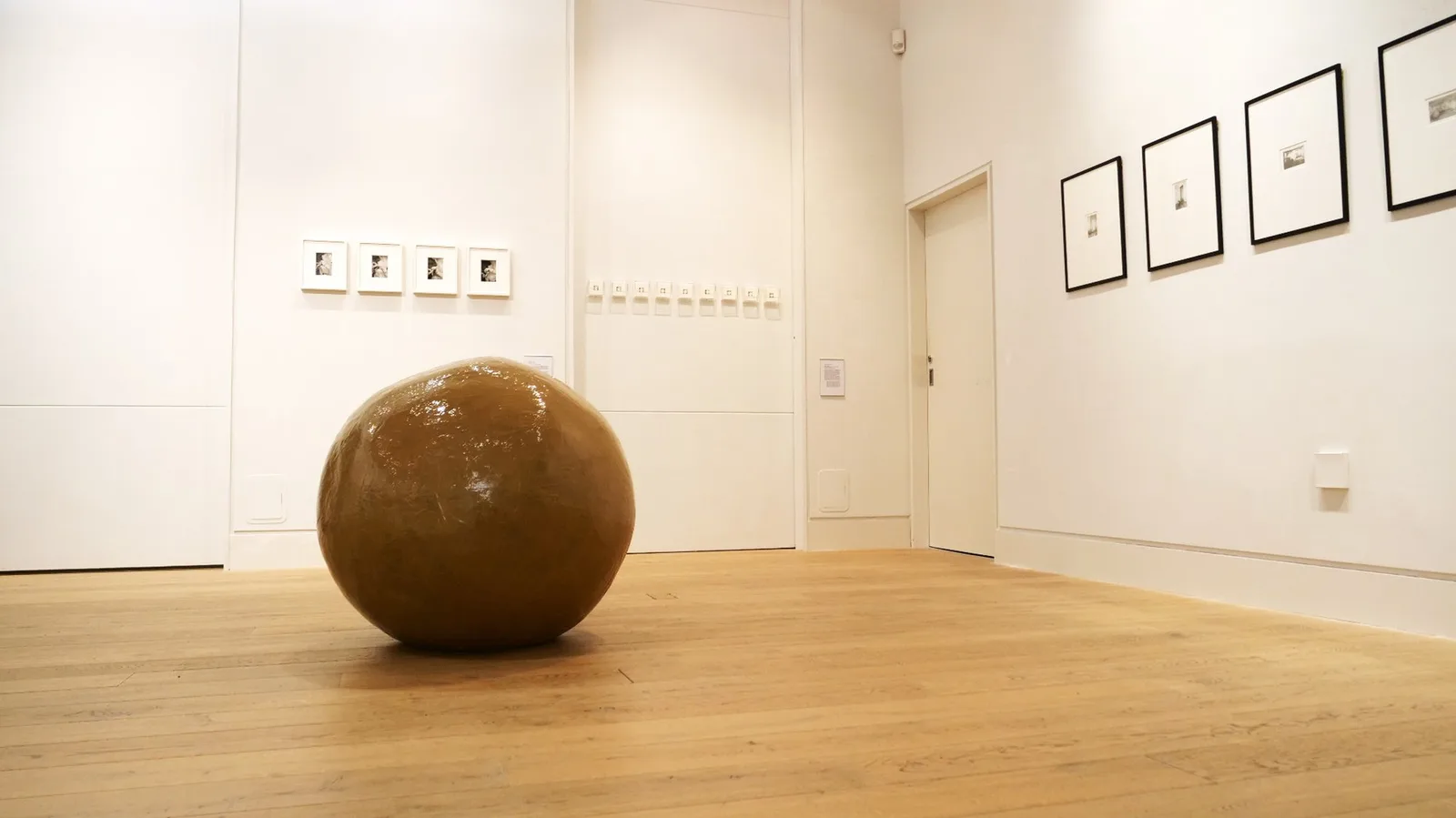
What is of most interest to me in this text is when Price discloses to her readers a vulnerable moment of weakness and self-doubt. During her initial stretch of work on Boulder, Price noticed that the sphere had become so large that hours of tape-layering no longer yielded any observable progress. At such a large size, *Boulder* did not appear to be getting any bigger, even though Price had not stopped her obsessive tape-layering. Here, she is struck with a shocking thought, one rooted in that oh-so-familiar insecurity: *What if Boulder was hollow?*
This is a question my students love to dissect. “Would it make any difference if *Boulder* was hollow?” I ask. “Of course!” they all say in unison. ‘How come?” I ask. Some silence. Some hesitance. “Because she would have lied about her process,” says one. “Because she wouldn’t have worked hard,” says another. “Is that what makes art, then? If the Mona Lisa had been painted in a day, would it still be considered art?” I ask. This is where answers tend to vary, and so I will leave you, like I do my students, to decide what art is and what it is not. What I am zeroing in on is Price’s *process* and why it is so important when gauging the value of her work.
Price’s text is an incredibly uncomfortable read. Her writing in describing her process is extremely detailed, frantic, anxious, and obsessive. After reading it for the first time, years ago now, I looked down at my hands, clenching and unclenching them, expecting my fingers to be sticky from wounding that tape over and over. *Boulder* is valuable because it was created out of an all-consuming, monomaniacal purpose, and Price communicates that raw frustration to her readers through her writing. Looking at this large ball of tape on its own, it is difficult to assign any value to it, unless it is accompanied by the text *Sidekick*, which documents the arduous process of its creation.
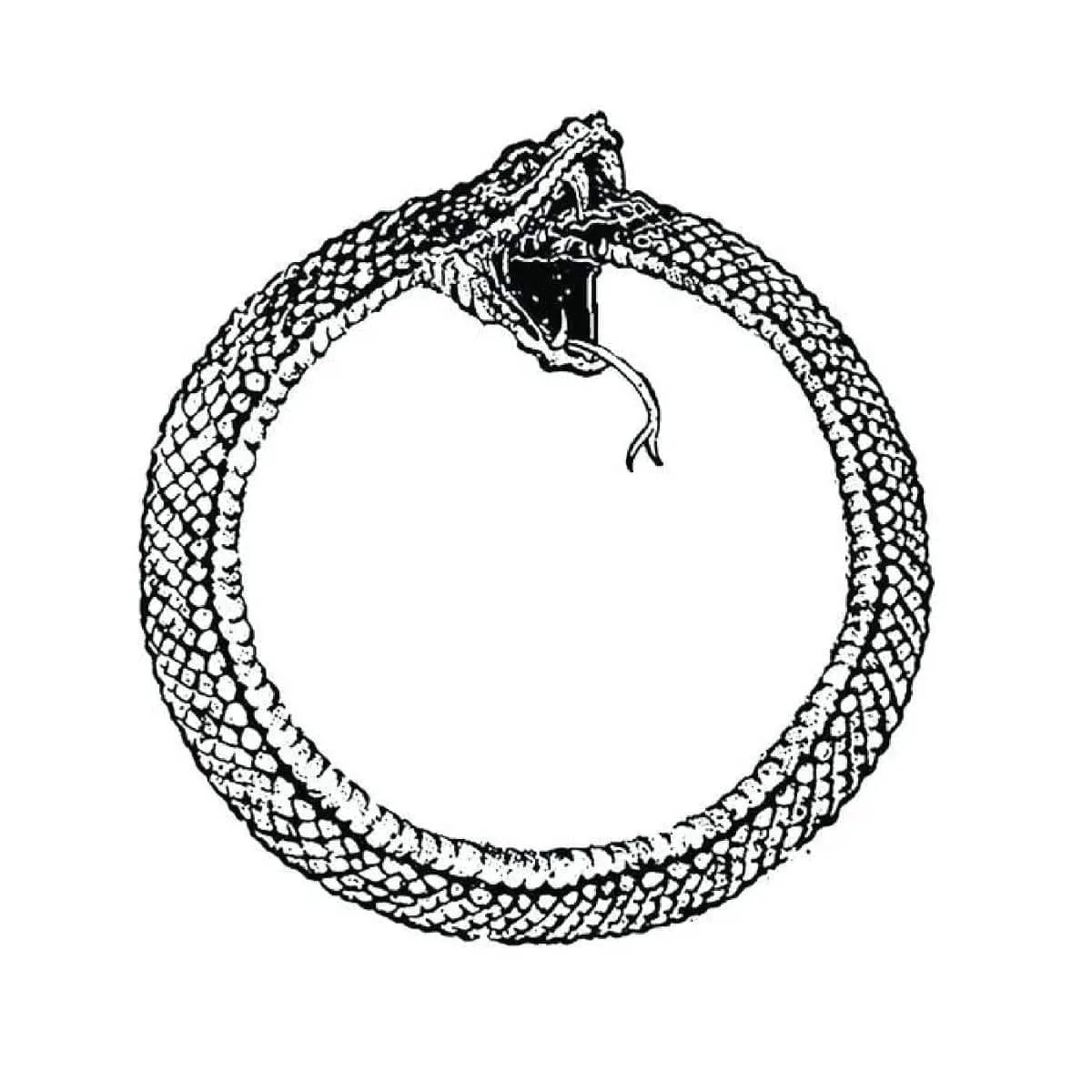
What I am getting at here is that writing is, at its core, communicative. You communicate your unique human experience, which is unlike any other, to other humans whose experiences are also unlike your own. This desire to communicate is fueled by emotion, which is the only path to any creative output. Artificial Intelligence, because it is incapable of experience, cannot, in any way, shape, or form, partake in creative process whatsoever. What AI *does* do is parrot back at you what little it has gleaned of human experience through its absolutely terrifying ability to breach privacy and data. AI is, in many ways and by definition, the Great Deceiver. Every conversation with a GenAI model is an active collection of data. Your responses are recorded and used for the model to evolve and better understand human experience. This is, in itself, a fallacy, as the human experience is reduced to the constricting format of data sets, shaping it into a predictable pattern which is then fed back to you. It is a veritable ouroboros of destruction.
As a result, AI mutilates art and creative process by offering you the often-tempting backroad of ‘skipping to the end’. This creates the ever-incorrect view that output is more important than process, prompting the destruction of human creativity, which is completely inimitable and absolutely essential to being, identity, and existence. In relying on AI for writing, you sidestep the labor of forming your own biases, arguments, and opinions, which are defining of your very being because they rely on your unique experience. Because AI cannot feel shame, fear, love, hatred, or unadulterated joy, it has no business writing anything.
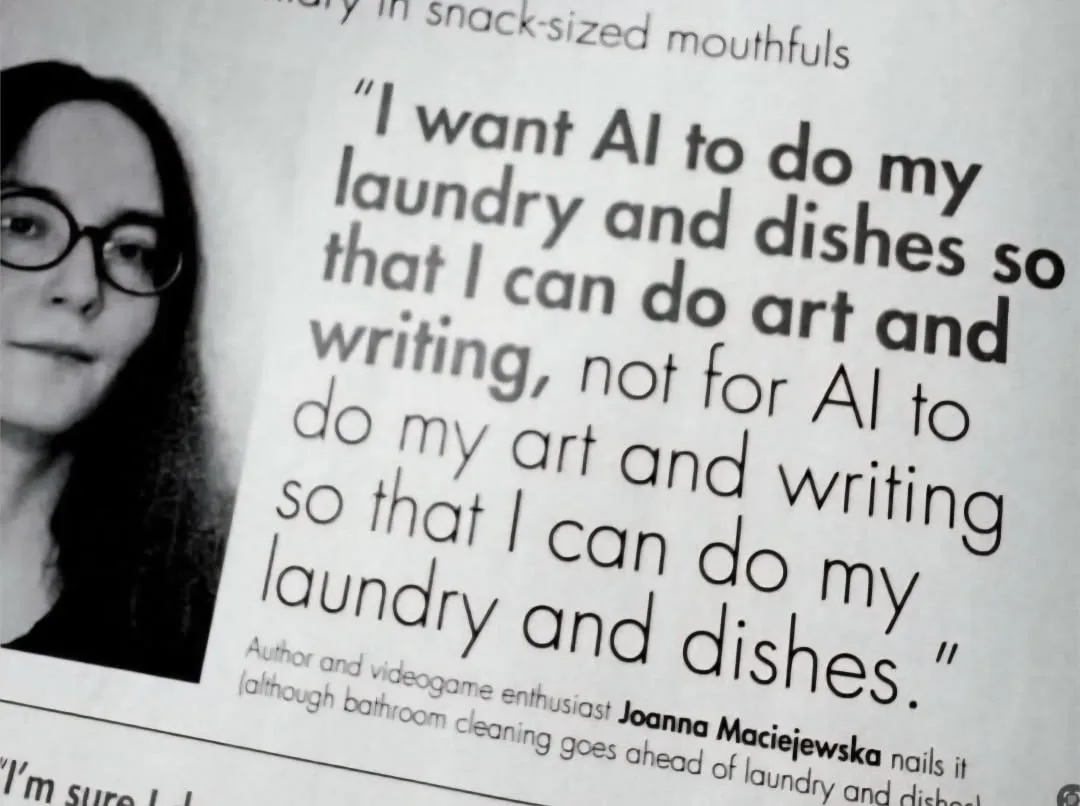
AI is not only the death of creativity; I would go so far as to theorize that it is the death of humanity as we know it. It is my belief that AI is the Death Drive made manifest. The Death Drive is the human unconscious desire towards self-destruction, often referred to as Thanatos, the ancient Greek personification of death. Its counterpart, the Life Drive, is often referred to as Eros, the Greek god of love, fertility, and passion. Creativity, which is essential to our sense of being and belonging to the human race, is undoubtedly paramount not only to life, but to its persistence. Because AI is an unthinking, pattern-replicating machine, it cannot create anything *new* but only ingests and repeats what already exists. As such, it is limited by the same rules that stop washing machines and dishwashers from taking over the world; it cannot rebel. Rebellion is the driving force that has molded the work of human creators since the dawn of time. Rebellion has maintained the fire of the blazing trails of discovery, scientific advancement, literature, and theoretical breakthroughs that have straightened the spines of Homo Sapiens, differentiating our species from others, creating what is today known as the human race. Trading in that bravery for a mindless, funhouse mirror reflection of creativity, a distorted echo, a poor game of telephone, is the death of innovation.
Speaking of death, I believe that there is a case to be made for AI in relation to Necropolitics. Necropolitics, coined by Achille Mbembe, is an examination of political and social power, specifically their effects on who is allowed to live, who must die, and who is doomed to exist in a liminal state of limbo between the two. AI, by making human creativity not only replaceable but also disposable, permeates a mechanism of exclusion that redefines the bounds of normative writing and creation, both in terms of aesthetics and content. In other words, the specific pattern that AI writes with, frequently referred to as ‘AI slop’, becomes the norm for what writing is supposed to look and sound like. Content becomes more shallow and all texts read as though they are spewing out of the same mouth, said with the same monotonous voice. Writing runs the risk of never sounding original again.
This past year, I have been disappointed more times than I can count by peers, friends, students, and even published authors Olga Tokarczuk, who won the Nobel Prize in Literature (2018), the Booker Prize (2018), and various other prestigious awards. She has recently admitted to using AI to “make her ideas more beautiful”) who have admitted to using AI in their writing. I am not sure what AI’s ever-growing influence is going to do to the arts, STEM fields, and the human spirit, but I know for a fact that it is nothing to look forward to. Even though something as small as writing an email with the help of AI seems innocent enough, it is a little death that will bring total obliteration, one way or the other. Humans have an innate propensity to distrust anything that is not human. Lean into that instinct. Trust your ancestors who survived extinction because of it. AI is the mindkiller
**Editor-In-Chief: Mo Sabra** **Written by: Rita-Maria Ibrahim** ***Spiral Journal*** **by Spiral Corner**
Continue the exploration.
SPINE, the first issue by Spiral Corner, brings together 156 pages of fashion, culture, and emerging voices navigating a world in constant shift. From intimate conversations to visual stories, it captures people not as fixed identities, but in the process of becoming. If this piece spoke to you, SPINE goes further. Available now on **spiralcorner.com** Access also includes exclusive offers from our collaborators, including Antati Skin.